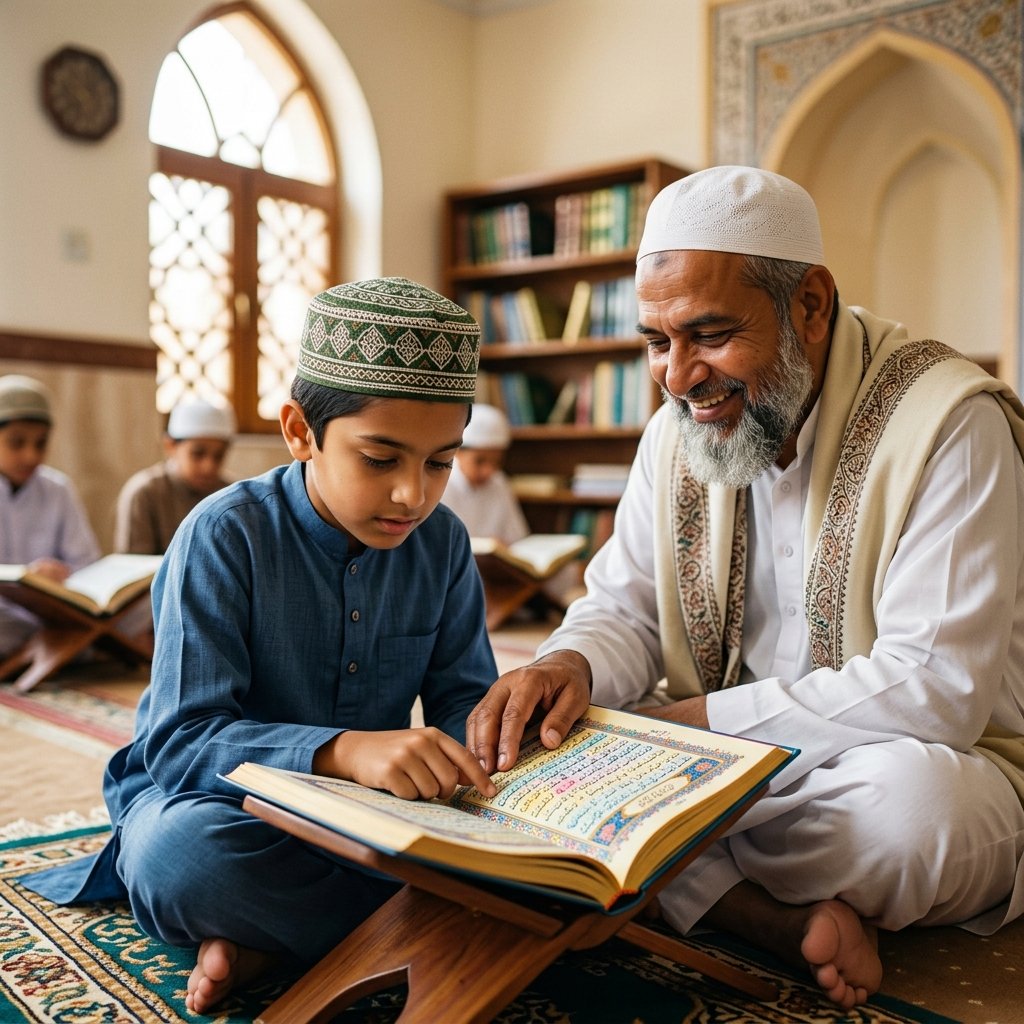
Online Quran Classes for Kids: How to Choose the Right Academy

Giving your child a strong relationship with the Quran is one of the greatest gifts you can offer. Online Quran classes make it possible to find a qualified teacher wherever you live and at times that fit around school — but not all classes are equal. Here is what to look for, and how to help your child thrive.
Why online Quran classes work well for children
- One-to-one attention: the teacher focuses on your child alone, so mistakes are corrected and progress is faster.
- Flexible timing: lessons fit after school or at weekends, without travel.
- A safe, familiar environment: children learn at home with parents nearby.
- Visible progress: parents can sit in, listen and see reports after each class.
8 things to check before you choose
1. Qualified, experienced teachers
Ask about the teacher’s Quran qualifications (such as an Ijazah or formal Tajweed training) and, just as importantly, their experience teaching children. Teaching a six-year-old needs patience and creativity.
2. A clear learning path
A good academy follows a structured path — Noorani Qaida, then Quran reading, then Tajweed, with Hifz and Islamic studies as next steps.
3. Age-appropriate class length
For young children, 20–30 minutes is ideal. Longer classes often lead to tiredness and frustration.
4. Safety and supervision
Classes should run on a secure platform, and parents should always be welcome to observe. Ask how the academy vets its teachers.
5. Male and female teachers
Many families prefer a female teacher for young children and girls. Check that you can choose — see why many families prefer female Quran teachers.
6. Progress reports
You should be able to see what was covered in each lesson, your child’s strengths and what needs more practice. Regular reports keep everyone on the same page.
7. Islamic manners and basics, not just reading
The best programmes also teach daily duas, short surahs, the basics of Salah and good character, so the Quran becomes part of daily life. Our Kids Islamic Program combines all of these.
8. A free trial
A trial class shows you how the teacher connects with your child — the single most important factor.
How to keep your child motivated
- Be consistent: the same days and time each week build a habit.
- Revise for five minutes daily: short, regular practice beats long weekend sessions.
- Celebrate milestones: finishing the Qaida, a new surah or a Juz deserves recognition.
- Lead by example: children who see their parents read the Quran want to do the same.
- Connect the Quran to life: tell stories of the Prophets and explain the meaning of the surahs they learn.
For more ideas, read how to teach the Quran to young children at home.
What age should children start?
Most children are ready for structured lessons between 4 and 6 years old — when they can recognise shapes and sit for about 20 minutes. Older children who are starting late catch up quickly with one-to-one teaching.
Frequently Asked Questions
Are online Quran classes safe for kids?
Yes, when the academy uses secure video platforms, vetted teachers and welcomes parents to observe. Always choose an academy that is transparent about its safety practices.
How many Quran classes per week should my child take?
Three to five short classes a week, with a few minutes of practice on the other days, usually gives steady progress without overloading the child.
Can my child memorize the Quran through online classes?
Yes. Once reading and Tajweed are strong, children can begin Hifz online with daily lesson and revision checks by the teacher.
Should I sit with my child during class?
For young children it helps to stay nearby, especially in the first weeks. As they grow more confident, you can step back while keeping an eye on progress reports.
Give your child a strong start: book a free trial class and meet our teachers.